Sunday, 30 April 2017

Case Study About Music Magazine's Dying


Image result for word music magazine
The Word Magazine 


What was it?
The Word used to be a monthly music magazine that was published in London. In 2007 and 2008, it was voted UK 'Music Magazine Of The Year', however, it only made 114 issues, the last bearing the cover date August 2012. 

What problems were they experiencing?
They were one of few companies who made independent music magazines. However, in a microcosm of the problems afflicting many consumer magazines, there were apparently not enough of them to save the independent title from the director David Hepworth who described it as "dramatic changes in the media and the music business". Hepworth also announced on the official Word website on the following Friday morning, the August issue, was to be published in the second week of July and it would be the magazine's last, with all full-time staff being made redundant.

Image result for surviveCan all music magazines survive?
Many music publications have died off or been bought out and the survivors. This was along with the rest of the publishing industry. The one industry that is being talked about dying out are music magazines.

1. There are fewer superstars, and the same musicians show up on every magazine cover. 
There are only a few musical acts that still command massive appeal.

2. Music magazines have less to offer music lovers, and music lovers need them less than ever anyway.

Nower days, you can get music for free online or through apps on your mobile phone or any other device. Many interviews are released on the internet through social media such as YouTube, facebook, twitter ect. All these media apps are all free to use.

3. Music magazines were an early version of social networking. But now there's this thing called "social networking".

It seems that the world today has been replaced by the internet and digital versions. Websites including Spotify and iTunes are just a few examples where music is available to download. 

Why pay for something you can get for free? 

Image result for internetThe internet today makes accessing music and digital copies of magazines much more quicker and also more accessible all over the world, this is much easier than having to go out and buy a copy in order to learn about new music. 

Are they only for ABC1 males aged 35+?
Top music magazines genuinely have the most to offer. These normally include an insight into popular music artists, music, exclusive interviews and introducing new music. These types of magazines often have a hefty price, this is something that you probably wouldn't pay unless you're a regular costumer with some money to spare each month. 
Also, music magazines with this price also tend to contain a larger amount of older artists and music, which would then appeal to an older generation of music listeners. Therefore to be able to buy and enjoy the content of the magazine, you usually have to be in the ABC1 bracket (in order to afford it), and over 35 to be able to enjoy the music.

Typical Magazine Layouts

Layouts of Magazines


After creating my contents page and front cover, I wanted to make sure that my overall layout worked well and showed continuity throughout my magazine.  I also wanted to ensure that my front page and my contents page worked well with each other before I continued to make my double page spread. Before creating my double page spread, I wanted to analyse some of these layouts above so then I would know which layout would suit my overall look of my magazine as well as the two pages of  my magazine already.

The first layout is very plain and set out quite simple, even though my overall look for my magazine is simplistic, I don't think this layout would suit my overall look that I am trying to achieve because there is too much white area being shown, which shows lack of detail to a double page spread.
The second layout seen above is set out very well, the use of pictures included in the written piece of the write up on the right hand side is used really effectively because it breaks up the writing so then there isn't just a large amount of writing on a page.
The seventh layout from above is set out very similar to the first layout, but it used the space of the double page spread more effectively by spreading out the pictures and writing around the page so then it doesn't look as crammed together. The use of different sized font really breaks up the typical layout of a magazine.

Overall, after looking at these layouts, I feel like I would try and make my double page spread a lot like either the second or the seventh layout seen above. This is due to the use of space throughout the two pages, by including pictures and quotes to break up the block of writing included in the double page. I want to include a variety of different sizes of photos as well as different fonts and size of text. Photos that I am going to include will vary in colour theme as well as saturation to achieve a unique layout for my double page spread

 At First my overall layout of my first page of my double page spread was the picture above to your left. I liked the format and the way that it was all set out, this was because it wasn't too spread out, but also wasn't too cramped. 
I really liked the use of an overlapped photo at the top, with the bottom photo lacking in saturation. I did this so then the layout of photos didn't look plain and bold like normal photos do in magazines.
After comparing my first layout to other magazines, I felt as if it was missing something very vital, and that was the change in font. I felt that the 'WHO I AM.. REBECCA AKA - BECKIE T' needed a bit more creativity. I changed the size as well as the font type, this was so then not only would it stand out more, but the vary in fonts would look more pleasing to the eye of a reader.


After looking at the different layouts, changing the font size, type and boldness. I decided to include the same music notes that were used in my front page as well as my contents page, this was to show continuity so then my magazine looked like a music magazine. I also continued to use the same colour scheme of blue, grey, black and white. 
This is to show again that there is no real aim of gender for my magazine. By using the pictures at the top of the page, it suits to the overall colour scheme because the colour of the guitar is turquoise blue, just like the blue that is used within the music notes.

Friday, 28 April 2017

Colour Consumers & 50 Quid Man

Colour Consumers


YELLOW
  1. Shows optimistic & youth
  2. Yellow is normall associated with joy; stimulates readers mental activity and generates musical energy creating reader to feel more positive and energised.
  3. Often included to create/grab attention/show hazards.
The use of the colour YELLOW would be very effective to encorporate within my magazine, this is because the colour is striking and my target audience is for teens which are attracted to bright colours just like YELLOW. This colour would really compliment a dark background, like the colour black. It can give a magazine a sence of nature, just like the colours green and blue. Unfortunatly, I didnt intend on including nature within my magazine, even though i will be taking some photos inside and outside. 

I feel like if I included this colour theme into my indie pop magazine, I wouldnt include the target audience I was aiming towards. Also, the colour YELLOW isnt used in many indie pop magazines, so I wouldnt want to include it into my own because of the risk of my magazine not looking like the genre that I selected.

RED
  1. Shows urgency
  2. Used in clearance sales to grab attention to deals
  3. Represents anger
  4. Used to show lust/love/romance
An ideal way of using the colour RED in my music magazine, would to advertise products/offers or to publicize an exclusive interview or event. The colour RED isnt normally associated with the genre Indie-pop, it is mostly used within the genre of R&B or rock. Therefore, I would not include any sort of shade of RED on my magazine because it would not suit my overall colour theme of blue, greys and black.

GREEN
  1. Symbolises fertility 
  2. Associated with growth- connected to connotation of living nature
  3. Used to show wealth
  4. Easiest colour for the human eye to process
I wouldn't use the colour GREEN in my indie-pop magazine because it wouldn't compliment my overall colour scheme that I intend to use. Also, I don't propose using green into my magazine because I dont involve any sort of nature aspects into my pieces.
BLUE
  1. Stability
  2. Confidence, wisdom & intelligence
  3. Viewed as a calming colour (colour of sky & sea- nature is seen to influence people in a calming way)
  4. Sensation of trust & security
Turquois BLUE is one of the main colours that I am going to use in my indie-pop magazine, this is because the turquois shade is suitable for both males and females meaning that my overall target audience covers a larger variety of teens. The colour BLUE is a calming colour to potential buyers of my magazine, I want my overall look of my magazine to be plain, approachable and very relaxed theme.
PURPLE
  1. Seen in beauty or anti-aging products
  2. Associated with luxury, ambition & independence
  3. Used to soothe and calm
The colour purple wouldnt really work with my colour scheme, this is because it would clash with the colour blue, even though it might compliment the other primary colours (black and white).
PINK
  1. Romantic & feminine use
  2. Used for market products for women & young girls
  3. Stereotypical feminine connotations (sweet, nice, cute ect) 
PINK is seen to be the typical female colour that connotes feminism, my overall scheme of my indie-pop magazine is to target not individual gender so then I can create a larger amount of sales to be made.
ORANGE
  1. Associated with joy, enthusiasm, creativity & success
  2. Creates a call of action: subscribe, buy or sell
  3. Used to show aggression 
I wouldnt use the colour ORANGE because it is the colour that is used to show agression. I want my overall theme of my magazine to be very relaxed and appoachable. ORANGE wouldnt go with my colour scheme of blue because it would clash. 

BLACK
  1. Used to market luxury products
  2. Powerful and sleek colour
  3. Bold & stand out
BLACK is one of the main colours that I am using my colour scheme, I wanted to use it throughout my magazine because its a very bold and it stands out. It allows my overall look to be sleek, clinical and very raw looking. I felt that the turquoise blue complimented the BLACK background and theme very well.

My Magazine Colour Scheme

The colour scheme that I am going to use within my magazine is turquoise blue, grey, black and white. I used these 4 colour's because I thought they would all compliment each other as well as really aim to encourage my target audience to buy my magazine because the main colour, which is turquoise blue isn't gender specific so I can target a larger audience. Turquoise blue is also a really striking shade of blue which is very eye catching - this could allow my magazine to stand out from others because of the bright colours.


Image result for light turquoise blue  Image result for grey
Image result for black


50 Quid Bloke


Image result for 50 quid man
It is a term that is used to describe a normal retail customer type 'by Nick Hepworth' who is the editor of the 'Word Magazine.' The 50 quid bloke is the kind of customer that would spend his Friday afternoons buying albums in his local CD stores.

 More adults are now buying CDs a lot more often than teenagers are, this is because the online apps such as Spotify, ITunes are other ways of buying music. These online apps are killing the younger generation's thrill of owning a typical CD. 
So with the internet to check up on the latest gossip with artists, younger people don't need to buy music magazines. According to the British Phonographic Industry (BPI), these are the figures for the age groups that buy CDs.

  • 12-to-19 age group accounted for 16.4% of album sales in 2002, a sharp fall in 2000 down to 22.1%.
  • 40- to-49-year-olds went the other way, rising from 16.5% to 19.1%.
  • Buyers in their 50s (14.3%) are not far behind.


People over the ages of 40 will soon be buying more than 50% of CDs. This is the main reason why my target audience is for the younger generation of people. This is so then I can try and reduce the amount of CD sales by engaging the younger generation with my magazine .

Image result for ipod
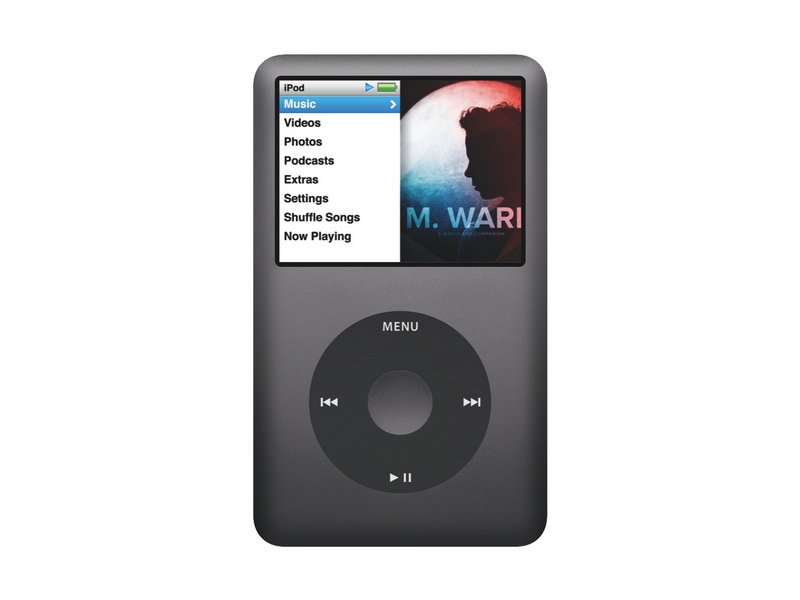
"The 50-quid bloke probably has an
 iPod but uses it as a radio rather than
 a substitute for his CDs."


The 'fifty quid bloke' is actually known to be a big user of the internet but, will still spend their money on certain things just like CD's. This is because he likes the feeling of owning music through CD's. 
It is known that the younger generation is being brainwashed into using the internet as a way of listening to general music. They should be saving music by buying CDs as they are the next generation. The older generation and 50 quid blokes are soon to be extinct leaving a generation of Spotify & ITunes users. 

Thursday, 6 April 2017

Updated Contents & Front Cover

Front Cover


My front cover originally looked very much like a fashion magazine, this was due to the lack of information and photos that related to music in general. Not many changes were made regarding the layout because I like the way that my layout is very simplistic with lack of detail.
After looking at other magazines again and comparing them to my own, I felt as if my magazine was missing something and that was colour. I thought originally the lack of colour might make my magazine stand out to others but, it did the exact opposite. The lack of colour and the simple layout didn't make my magazine look striking, this was the reason why I included a few musical notes with the colour blue in it to add more colour to my overall look of my magazine to then it would not only relate and look more like a magazine but, also look much more colourful.
I included the colour blue because it is considered beneficial to the mind and body. It slows human metabolism and produces a calming effect.

Contents Page


After comparing my contents page to other magazines that are in the same genre as mine. I included more music notes to show a continuity of a musical themed magazine, I also continued to use the colour blue throughout my pieces to show that there is no selected gender that this magazine is aimed for. I also used turquoise blue because it worked well with the colour of the guitar that I used in my photo shoot, which is the one used in the collage on the left hand side of my contents page.
I included separate object numbers found on the program called Canva for the page numbers. This was so then it wouldn't look completely simplistic. Overall I wanted to make my contents page layout different to any of the other indie-pop magazines so then my magazine would look unique and different to others. I made my layout very dissimilar to other layouts seen previously in my prep and research. By including the word 'contents' in my contents page, I thought I would place it at the bottom of the page, instead of at the top like a typical magazine layout.
Throughout my contents page, I have included the colour scheme of turquoise blue, grey, black and white. This was also included in the collage that my photos were included in, this was to show continuity throughout my work.